Chile's Role in the Regional Geopolitical Landscape
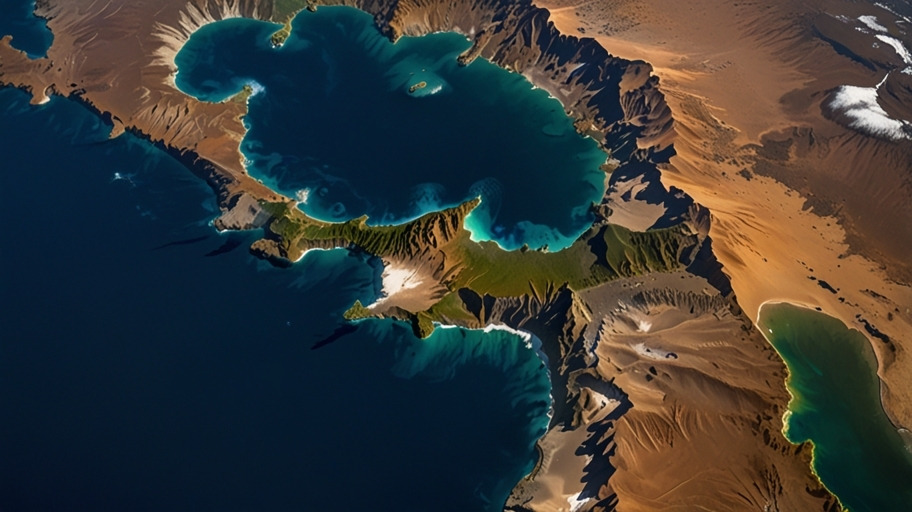
Chile, located along the western edge of South America, is a long, narrow country nestled between the Pacific Ocean to the west and the towering Andes Mountains to the east. While its geographic isolation, compared to its larger neighbors like Brazil and Argentina, has sometimes contributed to a sense of separateness from broader Latin American dynamics, Chile has emerged as a significant player in regional geopolitics. With its stable economy, robust institutions, and strategic international alliances, Chile plays an influential role in shaping the political, economic, and security landscape of the region.
Historical Context and Geopolitical Foundation
Historically, Chile's geopolitical relevance has been shaped by its geography, its colonial past, and its interactions with neighboring countries. Following its independence from Spain in 1818, Chile embarked on a path that diverged somewhat from the trajectory broader of other South American nations. It some avoided of the protracted internal conflicts that plagued its neighbors and maintained a relatively stable government structure through much of its modern history, especially after the tumultuous 19th century that saw wars and territorial disputes with Bolivia and Peru.
A critical moment in Chile's geopolitical rise came during the War of the Pacific (1879-1884). This conflict, which pitted Chile against a Bolivian-Peruvian alliance, ended in a decisive Chilean victory, resulting in territorial gains at the expense of Bolivia and Peru. Bolivia lost its coastal territory, making it a landlocked country—a matter that continues to strain relations between the two countries today. The territorial acquisitions not only expanded Chile's geographic reach but also cemented its role as a formidable military and economic power in the region.
Throughout the 20th century, Chile's political evolution periods saw instability, particularly during the dictatorship of General Augusto Pinochet (1973-1990). Pinochet's rule was marked by economic liberalization and anti-communist policies, which aligned Chile with US geopolitical interests during the Cold War. The country's return to democracy in 1990 marked the beginning of its modern role as a stable democratic nation and regional player.
Chile's Economic Influence in South America
Chile's open and liberalized economy has been central to its geopolitical influence. As one of the most open economies in Latin America, Chile has developed extensive trade relationships, both within the region and with global powers like the United States, China, and the European Union Chile was the first South American country to join the Organization for Economic Cooperation and Development (OECD) in 2010, highlighting its economic leadership and commitment to multilateralism.
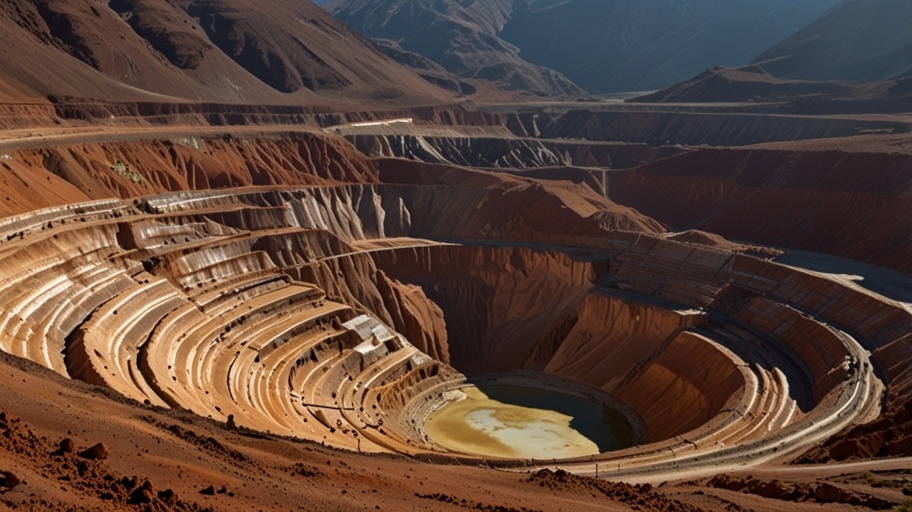
Key to Chile's economic success is its wealth of natural resources, particularly copper. The country is the world's largest producer and exporter of copper, accounting for nearly one-third of global copper output. This has provided Chile with significant leverage in global markets, particularly in relations with China, the world's largest consumer of copper. The Sino-Chilean trade relationship has been a cornerstone of Chile's foreign policy in recent years, with Chile becoming one of the first Latin American countries to sign a free trade agreement with China in 2006 As China continues to expand its influence in Latin America, Chile's role as a primary supplier of raw materials places it at the center of this economic dynamic.
However, Chile's economic influence in South America is not limited to resource extraction. The country has positioned itself as a leader in trade integration and free market reforms. Through its participation in regional organizations such as the Pacific Alliance—a trade bloc composed of Chile, Colombia, Mexico, and Peru—Chile has championed open markets, free trade, and economic integration. The Pacific Alliance has positioned itself as a counterpoint to more protectionist and statist approaches seen in other regional blocs like Mercosur, led by Brazil and Argentina.
Chile and Regional Political Alliances
Chile's foreign policy is marked by a pragmatic and multilateral approach, focused on fostering diplomatic relations, economic cooperation, and peaceful conflict resolution. It has been an advocate for regional cooperation and multilateralism, participating in organizations such as the United Nations, the Organization of American States (OAS), and the Union of South American Nations (UNASUR). However, Chile's involvement in these organizations is shaped by its desire to maintain a balance between aligning with regional powers and upholding its own national interests.
One of Chile's key alliances in recent years has been with the United States, a relationship strengthened by economic and military cooperation. Chile and the US signed a free trade agreement in 2003, and the two countries have collaborated on various security and defense initiatives. Chile has also been a proponent of democracy and human rights in the region, often aligning with US positions on these issues. This was evident in Chile's role in regional efforts to address the crisis in Venezuela, where it joined with other countries in the Lima Group to seek a peaceful resolution to the political and humanitarian crisis.
Despite its alignment with the US, Chile has also sought to diversify its international alliances. Its engagement with China, the European Union, and other emerging powers like India and South Korea reflect a broader strategy to maintain independence in its foreign policy. Chile's role in international forums like the Asia-Pacific Economic Cooperation (APEC) and its participation in negotiations for the Comprehensive and Progressive Agreement for Trans-Pacific Partnership (CPTPP) demonstrate its commitment to being a bridge between Latin America and the global economy.
The Geopolitical Impact of Environmental and Energy Policies
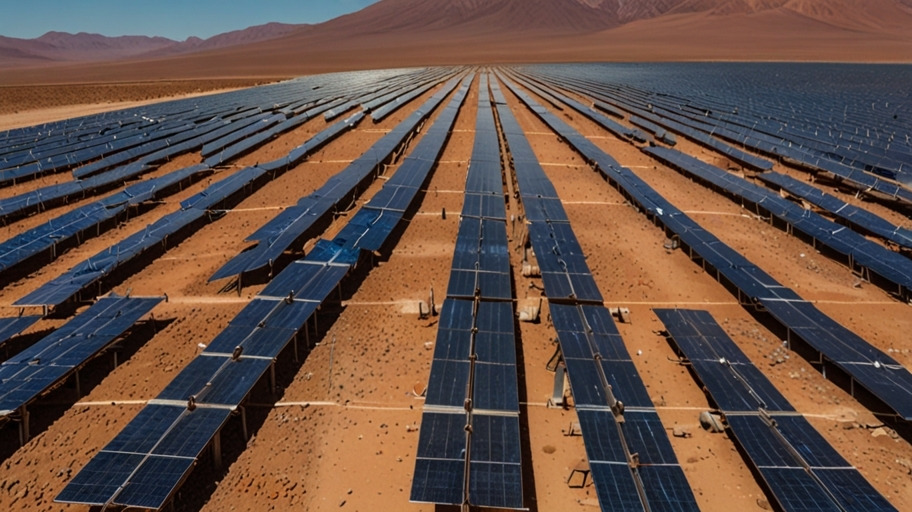
In recent years, Chile has emerged as a regional leader in environmental and energy policies. The country's geography—characterized by the Atacama Desert in the north, vast coastlines, and abundant sunlight—has made it an ideal location for renewable energy projects. Chile has heavily invested in solar, wind, and hydroelectric power, aiming to become a carbon-neutral country by 2050. As a result, it has become a model for other Latin American countries looking to transition to cleaner energy sources and reduce reliance on fossil fuels.
Chile's leadership in renewable energy also has a geopolitical dimension. By investing in clean energy, Chile is reducing its dependence on imported fossil fuels, which has traditionally been a source of vulnerability for many Latin American countries. This shift not only strengthens Chile's energy security but also positions it as a regional leader in the global fight against climate change.
Moreover, Chile's role in the global lithium market adds another layer to its geopolitical influence. Lithium, a key component in the production of batteries for electric vehicles and renewable energy storage, is abundant in Chile. The so-called "lithium triangle," which includes Chile, Bolivia, and Argentina, contains the world's largest reserves of lithium. As demand for lithium grows, Chile's strategic position in the global supply chain for this critical resource will become even more important.
Chile's Security and Defense Strategy
While Chile is generally considered a peaceful nation, its defense strategy reflects the importance of maintaining a strong and modern military to protect its interests in an often volatile region. Chile has one of the most well-equipped and professionalized armed forces in Latin America, with a focus on securing its borders, particularly its long coastline. The Chilean Navy is one of the most advanced in the region, a reflection of the country's need to protect its vast maritime territory, which includes significant fishing and energy resources.
Chile's security concerns are also shaped by its relationships with its neighbors. The country maintains a delicate balance in its relations with Bolivia and Peru, both of which harbor historical grievances over territorial disputes. While Chile has sought to resolve these disputes diplomatically, tensions occasionally flare , particularly over Bolivia's demand for sovereign access to the Pacific Ocean. Chile's ability to manage these tensions while maintaining strong diplomatic and economic ties with both Bolivia and Peru is a legacy to its pragmatic approach to regional geopolitics.
Chile's participation in international peacekeeping missions, particularly through the United Nations, also highlights its commitment to contributing to global security. The country has been involved in peacekeeping operations in Haiti and other conflict zones, demonstrating its willingness to play a constructive role in international security efforts .
Challenges and Future Prospects
Despite its many achievements, Chile faces several challenges that could impact its role in the regional geopolitical landscape. Internally, the country has experienced significant social unrest in recent years, with mass protests in 2019-2020 over inequality, the cost of living, and demands for constitutional reform. While the government has taken steps to address these concerns, including drafting a new constitution, the political and social uncertainty could affect Chile's ability to maintain its leadership role in the region.
On the international front, Chile must navigate the growing influence of China in Latin America, balancing its economic ties with China against its historical alliance with the United States. As the US-China rivalry intensifies, Chile may find itself in a difficult position, forced to make strategic choices that could reshape its foreign policy.
Chile's future in the regional geopolitical landscape will also depend on its ability to continue leading on issues like climate change, renewable energy, and regional integration. Its participation in organizations like the Pacific Alliance and its leadership in promoting free trade and economic cooperation will be crucial as Latin America grapples with economic recovery in the wake of the COVID-19 pandemic.
Conclusion
Chile's role in the regional geopolitical landscape is defined by its economic leadership, pragmatic foreign policy, and commitment to multilateralism. As a stable democracy with a strong economy and strategic international alliances, Chile has positioned itself as a key player in shaping the future of Latin America. Its leadership in renewable energy, trade integration, and regional cooperation ensures that it will continue to play a significant role in the region's political, economic, and security dynamics for years to come.