he Role of Chile in Regional Environmental Conservation Efforts
he Role of Chile in Regional Environmental Conservation Efforts
Introduction
Chile, a South American country known for its striking geographic diversity, plays a crucial role in regional and global environmental conservation efforts. Stretching along the western edge of South America, Chile spans a vast range of ecosystems—from the world's driest desert, the Atacama , to the icy glaciers of Patagonia and the fertile Central Valley. This geographic richness has endowed the country with an extraordinary range of biodiversity, which includes unique species of flora and fauna, many of which are endemic to the region.
Given its remarkable natural assets and the environmental challenges the world faces, Chile has positioned itself as a leader in environmental policy and conservation efforts. This article explores the role Chile plays in regional environmental conservation, the policies and initiatives it has undertaken, and the collaborations it has formed with neighboring countries and international organizations.
Chile's Natural Heritage and Biodiversity
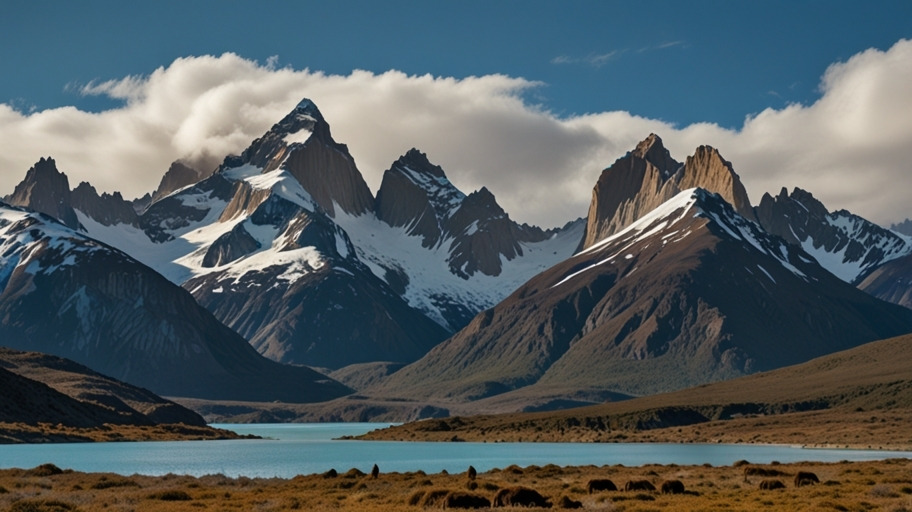
Chile's geography provides a unique platform for environmental conservation. It has some of the most pristine and isolated ecosystems in the world, ranging from marine environments along its vast coastline to the temperate rainforests in the south and mountainous Andean regions.
Chile is home to over 5,000 species of plants and animals, with an estimated 30% of its flora and fauna classified as endemic. One of the country's most iconic ecosystems is Patagonia, known for its rugged landscapes, glaciers, and wildlife such as pumas, guanacos, and the endangered Andean condor. The marine biodiversity off the coast is equally important, with the Humboldt Current supporting rich fisheries and marine life, including whales, dolphins, and seabirds.
Unfortunately, Chile's biodiversity is under threat due to human activities, including deforestation, overfishing, pollution, and climate change. As a result, the country has undertaken several steps to conserve its natural heritage through national policies and international cooperation.
Chile's Environmental Conservation Policies
Chile's national conservation efforts are framed by a number of key policies and regulations aimed at protecting biodiversity, combating climate change, and managing natural resources sustainably. Some of the notable policies include:
- Protected Areas System Chile has established a network of protected areas under the National System of Protected Wild Areas (SNASPE), which covers over 21% of the country's land area. This includes 42 national parks, 45 national reserves, and 18 natural monuments. These protected areas play a crucial role in conserving habitats, protecting endangered species, and maintaining ecological processes. A notable example is the creation of the Patagonia Park Network, which emerged from a partnership between the Chilean government and conservation organizations. In 2018, the Chilean government established a new network of national parks in Patagonia, covering over 11 million acres, making it one of the most ambitious conservation efforts in the world.
- Climate Change Legislation Chile has taken proactive steps to address climate change, which is one of the most significant threats to its ecosystems. In 2020, Chile introduced a landmark climate change bill that sets ambitious targets for reducing greenhouse gas emissions and transitioning to renewable energy. The bill also emphasizes adaptation measures, particularly for vulnerable ecosystems like glaciers and coastal zones. Chile is committed to achieving carbon neutrality by 2050, and it has made significant progress toward this goal by promoting renewable energy, including solar, wind, and geothermal power. The country has one of the most advanced renewable energy sectors in the region, thanks to its favorable geographic conditions.
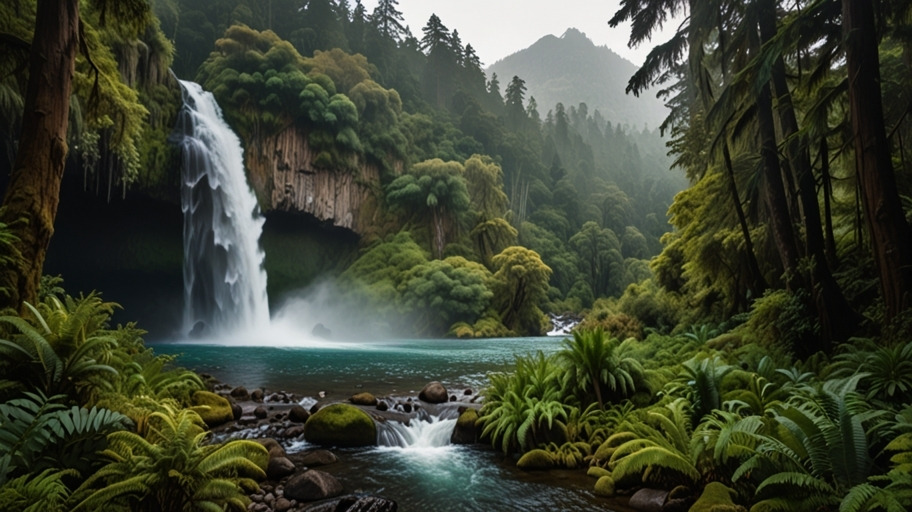
- Forest Conservation Chile has implemented various policies to combat deforestation and promote sustainable forest management. The Native Forest Law, enacted in 2008, aims to conserve native forests and promote their sustainable use. The law provides financial incentives for landowners to manage forests sustainably and restore degraded areas. Reforestation efforts have been particularly important in southern Chile, where temperate rainforests are critical for biodiversity and water resources. The government has also worked to combat illegal logging and promote certification schemes for sustainable forestry practices.
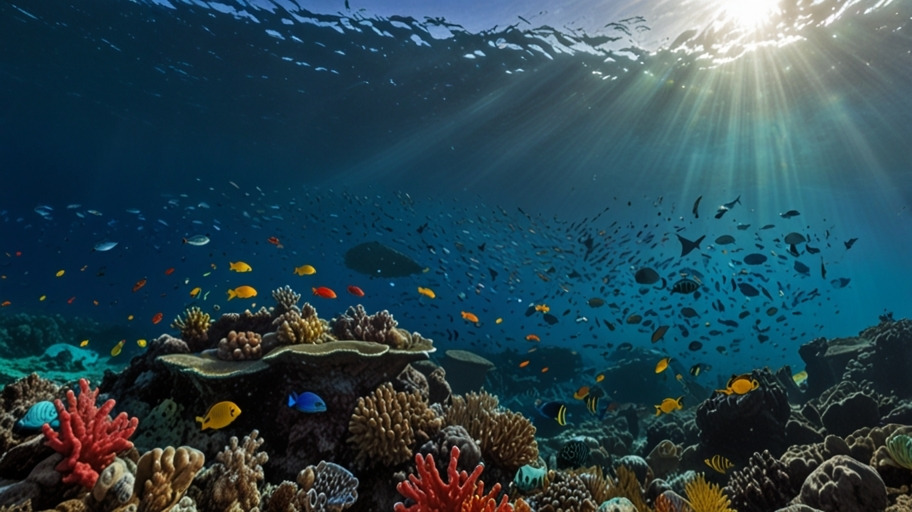
- Marine Conservation Chile has also made significant strides in marine conservation. The country has established a network of marine protected areas (MPAs) that cover around 42% of its exclusive economic zone, one of the largest percentages in the world. These MPAs are crucial for conserving marine biodiversity, regulating fisheries, and protecting critical habitats for species such as sea turtles, sharks, and whales. One of the most famous examples of Chile's marine conservation efforts is the Rapa Nui Marine Protected Area around Easter Island. This MPA, created in 2018, is one of the largest in the world, covering over 720,000 square kilometers and protecting a unique marine ecosystem.
Chile's Role in Regional and International Conservation Efforts
Chile's environmental conservation efforts are not limited to its national borders. The country plays a leading role in regional and international environmental initiatives, collaborating with other Latin American countries, international organizations, and non-governmental organizations to address global environmental challenges.
- Cooperation in the Southern Cone Chile has partnered with its neighbors, including Argentina and Peru, on several transboundary conservation initiatives. For instance, Chile and Argentina have worked together to conserve the Patagonia region, which spans both countries. This collaboration has resulted in the creation of cross-border national parks and wildlife corridors that allow species such as the Andean condor and puma to move freely across their natural range. Additionally, Chile and Peru have cooperated on marine conservation efforts, particularly in managing shared fisheries resources. The Humboldt Current is one of the most productive marine ecosystems in the world, and both countries have an interest in ensuring the long-term sustainability of this critical resource.
- Leadership in Climate Change Negotiations Chile has emerged as a regional leader in climate change negotiations, playing a key role in international climate summits and agreements. The country was set to host the United Nations Climate Change Conference (COP25) in 2019, although the event was relocated to Madrid due to domestic unrest. Despite this, Chile maintained its leadership role during the negotiations and pushed for stronger global commitments to reduce greenhouse gas emissions. In 2021, Chile became a member of the High Ambition Coalition for Nature and People, an international coalition of countries committed to protecting 30% of the world's land and ocean by 2030. Chile's participation in this coalition highlights its commitment to conservation at a global level.
- Engagement with International Organizations Chile is an active participant in various international environmental organizations, including the United Nations Environment Programme (UNEP), the International Union for Conservation of Nature (IUCN), and the Convention on Biological Diversity (CBD). Through its involvement in these organizations, Chile has contributed to shaping global environmental policy and advancing conservation efforts. In particular, Chile has played a significant role in promoting marine conservation at the international level. The country has been a strong advocate for the creation of marine protected areas in international waters and has worked with organizations such as the Pew Charitable Trusts and the Global Ocean Legacy to establish large-scale MPAs in the Pacific Ocean.
The Challenges Ahead
Despite its impressive achievements in environmental conservation, Chile faces several challenges as it seeks to protect its natural heritage and contribute to global conservation efforts. These challenges include:
- Climate Change Impacts Climate change poses a serious threat to Chile's ecosystems, particularly its glaciers, coastal areas, and water resources. The melting of glaciers in the Andes has led to reduced water availability in many regions, particularly in northern and central Chile, where water scarcity is already a significant issue. Rising sea levels and ocean acidification also threaten coastal ecosystems and fisheries. Addressing these challenges will require continued investment in climate adaptation measures, as well as efforts to reduce greenhouse gas emissions both domestically and globally.
- Balancing Economic Development and Conservation Chile's economy is heavily dependent on natural resource extraction, particularly mining, forestry, and agriculture. While these industries contribute significantly to the country's GDP, they also pose environmental risks, including habitat destruction, water pollution, and deforestation. Striking a balance between economic development and environmental conservation is a major challenge for Chile. The government must continue to promote sustainable practices in key industries and ensure that environmental regulations are enforced effectively.
- Biodiversity Loss Despite its efforts to conserve biodiversity, Chile continues to face significant challenges related to habitat loss, invasive species, and overexploitation of natural resources. Many of Chile's endemic species are at risk of extinction, and the country must continue to expand its protected areas and improve management of existing ones to prevent further biodiversity loss.
Conclusion
Chile's role in regional and global environmental conservation is significant and multifaceted. Through its national policies, regional cooperation, and international leadership, the country has demonstrated a strong commitment to protecting its unique natural heritage and addressing global environmental challenges. While there are many challenges ahead , Chile's efforts provide a model for other countries in the region and around the world.
As the world grapples with the twin crises of biodiversity loss and climate change, Chile's conservation initiatives offer hope that meaningful action can be taken to protect the planet's ecosystems for future generations. By continuing to prioritize environmental sustainability and working collaboratively with other nations, Chile can play a pivotal role in shaping the future of global conservation efforts.